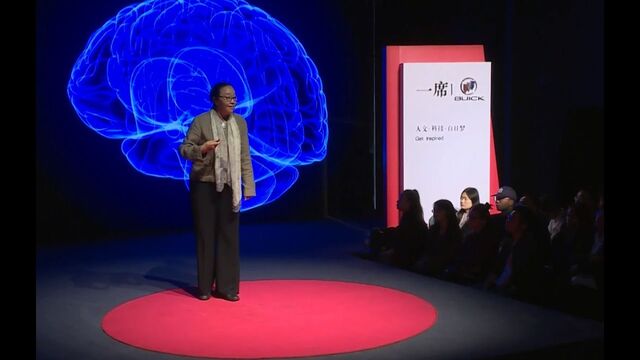
【一席】黃曉丹:隨時間而來的真理
Literature professor Huang Xiaodan uses classical poets to think about death, meaning and freedom. She reads Tao Yuanming's mock elegies for himself and his 'Flourishing Tree', Wang Wei's Wangchuan poems, and Li Bai and Li Shangyin. She ends with Yeats's 'The Coming of Wisdom with Time'.
C230:02一席YiXiFor Chinese speakersChinese captions by the creator
Quotes classical poems; mentions a student's suicide.
Key words
| Chinese | English |
|---|---|
| 终极问题 (zhōngjí wèntí) | ultimate question |
| 死亡 (sǐwáng) | death |
| 孤独 (gūdú) | loneliness; lonely |
| 挽歌 (wǎngē) | elegy, funeral song |
| 葬礼 (zànglǐ) | funeral |
| 意义 (yìyì) | meaning |
| 虚无 (xūwú) | nothingness |
| 审美 (shěnměi) | aesthetic |
| 自由 (zìyóu) | freedom |
| 欲望 (yùwàng) | desire |
Did you understand?
欧文·亚隆把来访者的烦恼总结成哪四个问题?
黄晓丹认为王维用什么为生命赋予意义?
在《南垞》这首诗里,王维做了什么决定?
Why it's C2
- 234 characters a minute (natural speed)
- 67% of the characters are in common words (the course's words up to B1, about HSK 1–4)
- Made for Chinese speakers